Natalie Kononenko
Professor and Kule Chair in Ukrainian Ethnography, Emerita
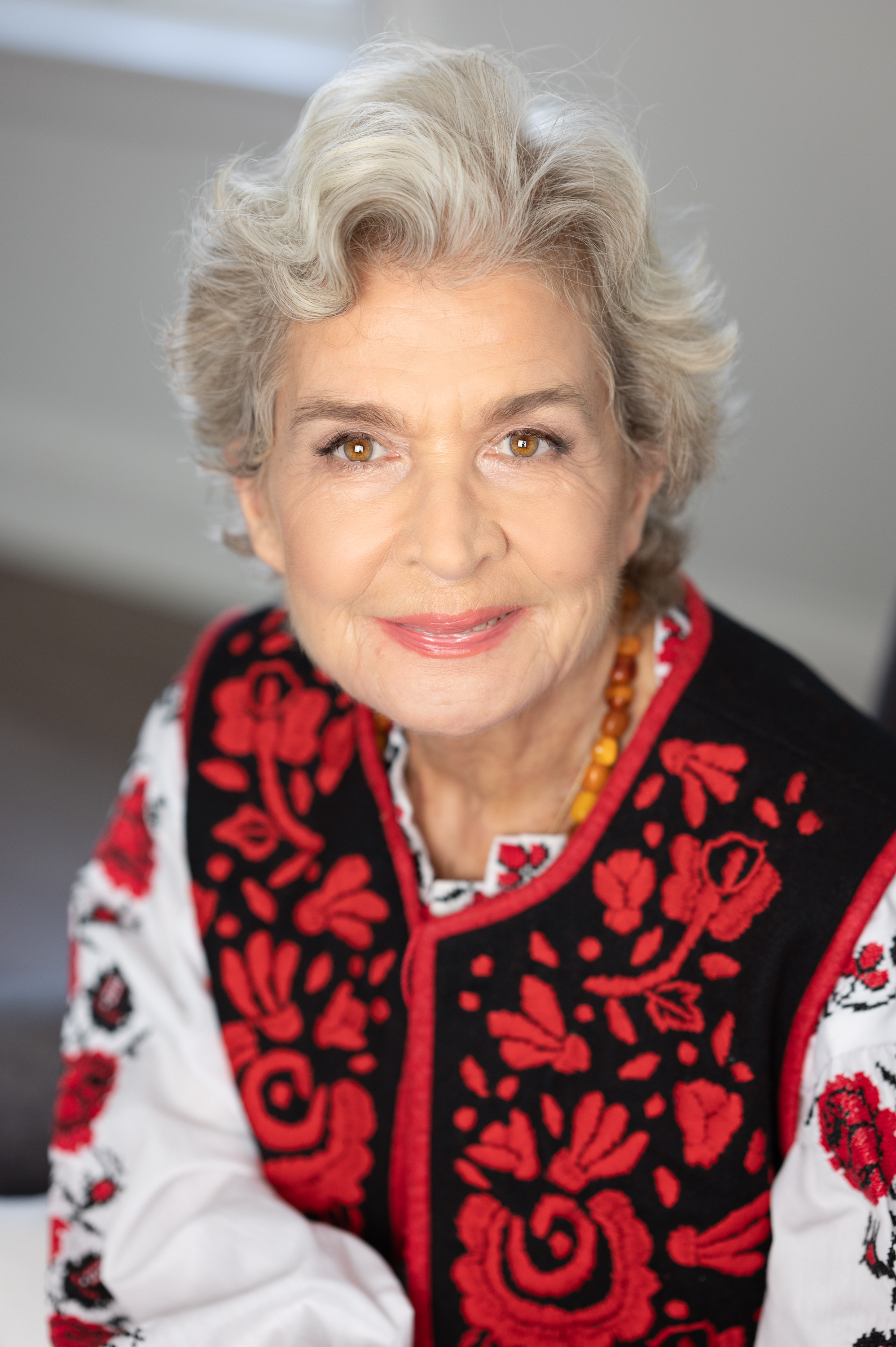
I was born in a Displaced Persons Camp in Germany immediately after the Second World War to Ukrainian refugee parents. My family moved to the United States and I attended the public school system in Boonton New Jersey. I studied at Cornell University and later transferred to Harvard where I earned bachelors, masters, and doctoral degrees. My PhD was in Slavic and Near Eastern Languages, Literatures, and Folklore and I did my research in Eastern Turkey. I taught in the Slavic Department at the University of Virginia where I also served as Assistant Dean and Department Chair. I led some of the first student groups to the USSR in the 1970-1980s. In 1987 I was one of the first US scholars to be allowed outside of Moscow and I did archival research in Kyiv at the University and in the Academy of Sciences. This research led to Ukrainian Minstrels: And the Blind Shall Sing. After the break-up of the USSR I started to do folklore research in rural Ukraine and was one of the first scholars to do so.
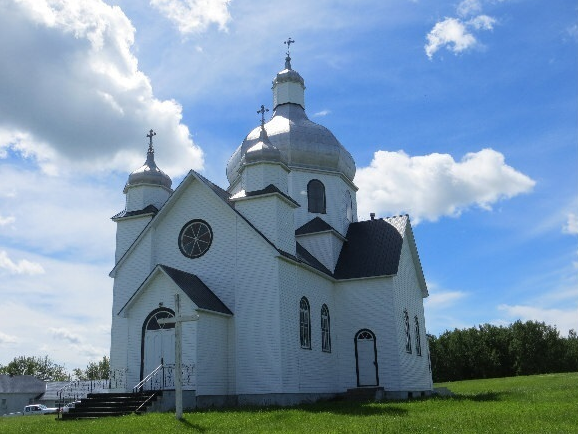
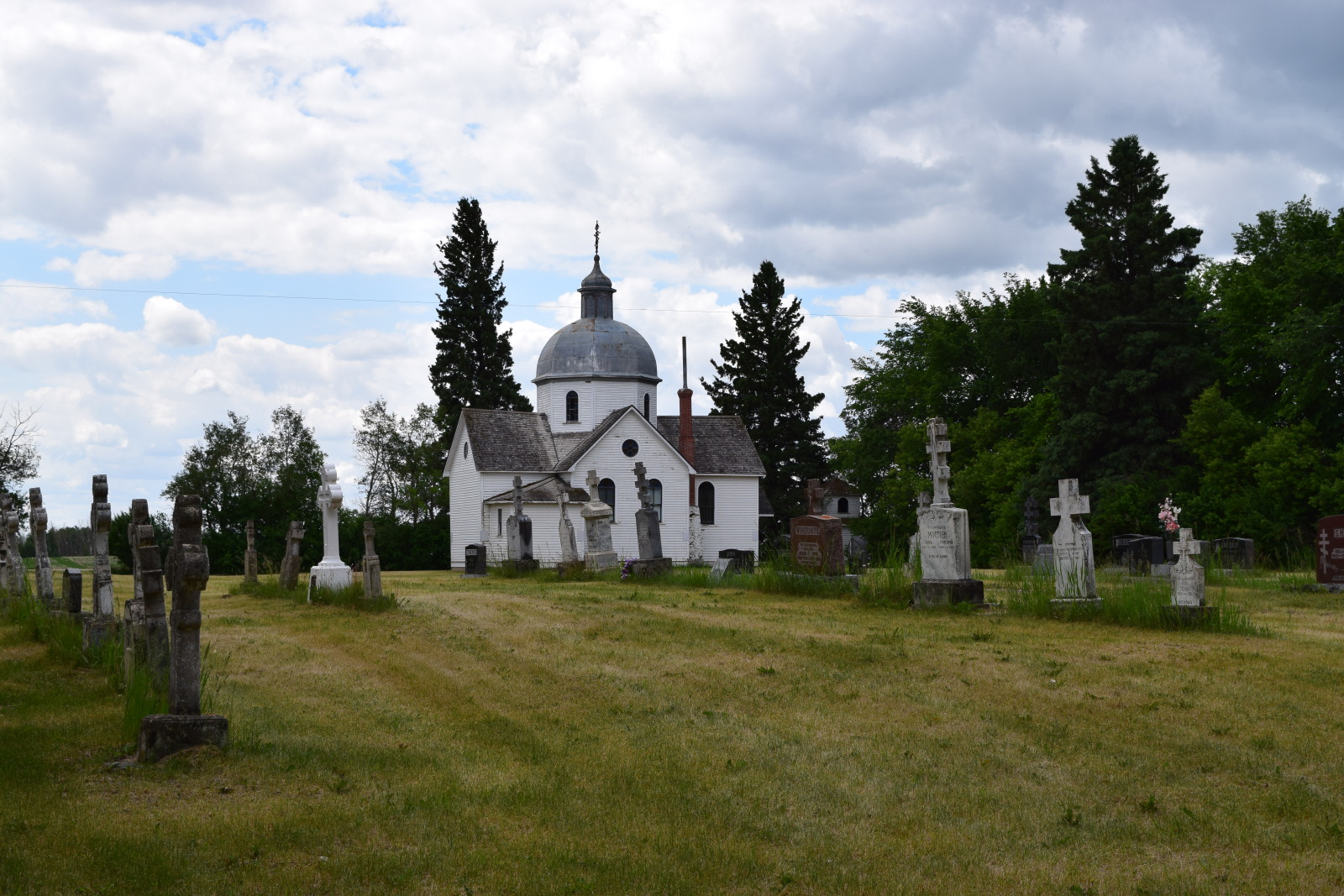
In 2004 I was recruited as Professor and first Kule Chair in Ukrainian Ethnography, in the department of Modern Languages and Cultural Studies, University of Alberta. Once in Canada, I started doing Canadian fieldwork and was part of the Sanctuary Cultural Heritage Documentation Project. This research produced Ukrainian Ritual on the Prairies: Growing a Ukrainian Canadian Identity. I also did fieldwork among Ukrainians in northeast Kazakhstan to see the how ritual and lore adapt to settings outside the West.
I served as editor of Folklorica, the journal of the Slavic and East European Folklore Association for 5 years. This journal was instrumental in re-establishing the dialogue between folklore scholars in the former Soviet Union and their colleagues in the West.
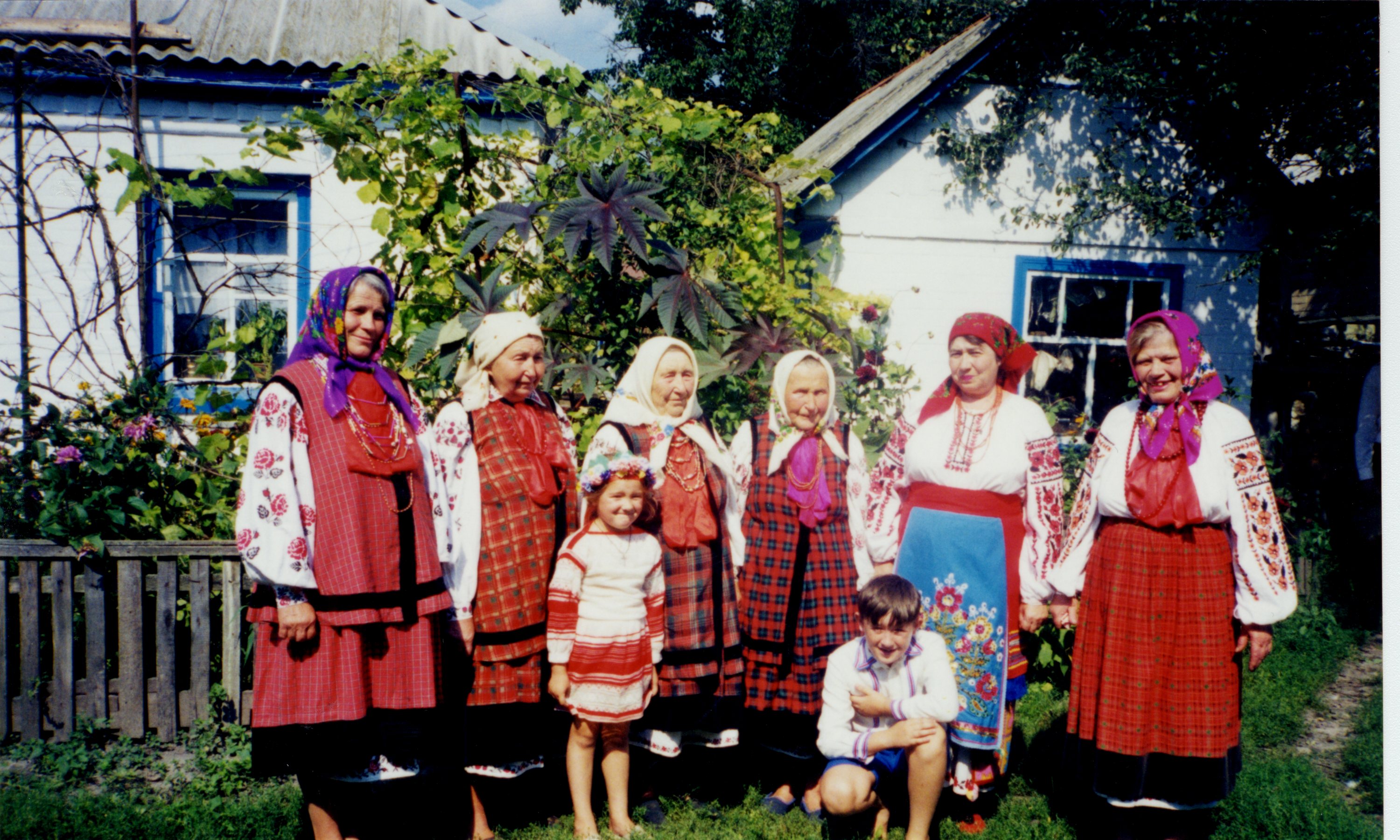
I retired in 2019 and we moved to Waterloo, Ontario, to be near our son and his family. I have remained active in retirement and am currently writing a book based on my research in Ukraine, something I never had the chance to do. I consider the data I am using extremely important because it shows the maintenance of Ukrainian traditions despite more than 70 years of Soviet rule.
Two topics have dominated my research. One is folk professional minstrelsy. This was the subject of my first book. In it I looked at disability and art. The minstrels I was dealing with were all blind and I sought to establish how blindness affected the minstrel’s social position, their artistry, and the perception of them by their audience. I also looked at how folk poetry helped minstrels deal with their disability. This research was published not only in the book listed above but also in Ukrainian Epic and Historical Song; Folklore in Context, a book of translations and commentary which won a best translation award.
My other major topic has been ritual and using the study of ritual to explore heritage and identity. How do the ritual practices of a culture adapt when the people who practice that culture move to a different environment? How can ritual practices be used to negotiate with new neighbors and establish good relationships? What are the types of folk belief that flourish when a group moves to a different country? This is the subject of my book about the Canadian Prairies and I have compared the results of my Canadian work to my research in Kazakhstan.